Succulent Reproduction: Propagating Your Green Wonders
Home » Succulents » Succulent Reproduction: Propagating Your Green Wonders
Welcome to the enchanting world of succulent reproduction, where nature’s wonders unfold right before your eyes! Succulent reproduction is the process of creating new generations of your favorite Plants. Succulent reproduction involves creating new generations of your favorite plants. You can achieve this by using a process called propagation, which creates new plants from existing ones.
As succulent and cactus habitats continue to decline, propagating these plants becomes increasingly necessary to maintain healthy populations. Moreover, I now consider propagation an integral part of the joy of nurturing these plants. Following this guide, you’ll be able to duplicate your favorite succulents and cacti with greater ease.
I don’t claim to be an expert in botanical classification or plant growth, and I certainly don’t intend to oversimplify these topics.
Understanding Succulent Reproduction
Cacti, like succulents, may be multiplied in a number of different ways. The best way of propagating a cactus or succulent is not always immediately apparent. First things first, though: figure out what sort of plant you’re dealing with.
Observe its shape, whether it’s slender and tall, short and oval, or adorned with tiny leaves. Understand its growth pattern, whether it grows individually, has numerous branches, or shares soil with similar plants. These are the questions you should address before attempting propagation.
How to Plant Succulent Cuttings?
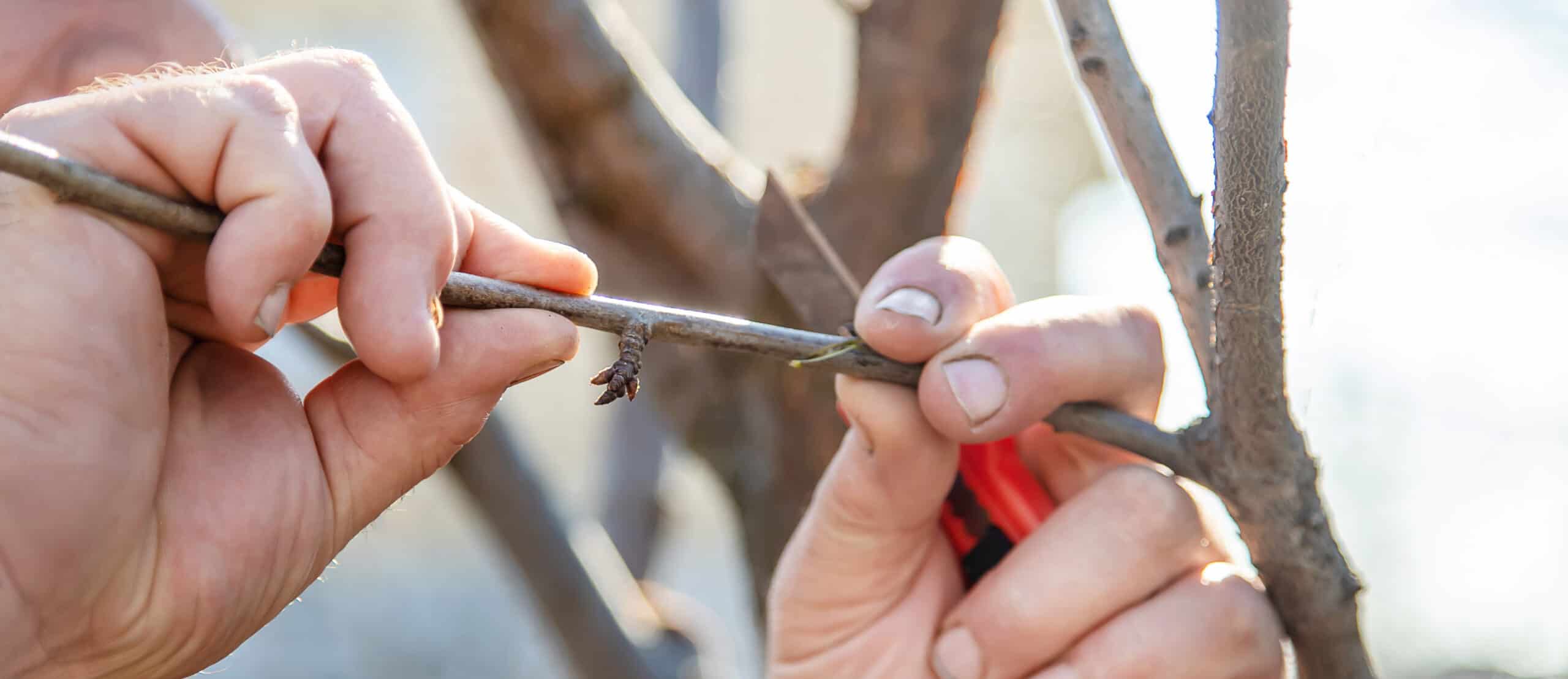
Stem cuttings offer a practical and straightforward method of propagation for many cacti and succulents. Plants with rapidly growing stem areas are ideal candidates for stem cutting propagation.
For optimal succulent reproduction, it's advisable to take stem cuttings when the plant is coming out of dormancy or entering its active growth phase in spring. However, if you keep your succulents and cacti indoors year-round (as I do), you can propagate them at any time. Whenever possible, I prefer to remove an entire stem from the donor plant without causing harm.


Watering – A word of caution: Step four requires the use of distilled or fresh water to reduce the likelihood of bacterial and algal growth. If you notice chlorine, you should consider using distilled water instead of tap water.
Chlorine can cause iron chlorosis, which stunts or stops growth, and can also burn the roots of young plants.
To avoid washing away the top dressing, water the pot by letting it stand in half its height of room temperature water for a few minutes or gently watering from the top.
The pot should drain completely in both cases. To ensure the highest quality of Succulent reproduction
Tips for Successful Succulent Reproduction
The good news for succulent enthusiasts worldwide is that the plants you already have in your homes and gardens may reproduce on their own, saving them money in the long run. This wonderful process is propagation, which is thrilling to observe.
It is best to wait until the offsets are half the size of the parent plant to ensure they have enough nutrition to live on their own. The first step is to get the plant out of its container so you can see where the rooted offset came from. It’s also a good time to check on the plant’s roots and repot it.
The offspring may be easily separated from the mother succulent by twisting it gently. Root damage is not a problem since the offset may develop new roots at the site of the damage. After successfully pulling off the offsets, let them dry out for about 1 to 7 days, just make sure their dry. After they have dried out, put it in cactus soil with adequate drainage and water it well.
Every year, a massive quantity of cacti are grown for commercial purposes. In 2002, for instance, 49 million plants worth over $9 million were propagated in Korea. The vast majority (31 million) were created by the process of grafting. There is no difference between grafting and cloning. If you want to learn more about succulents, check out our page on: Caring For Succulents And Cacti: Unequaled In The Floral World
Preserving the Rarity of Succulents
Hidden within our national forests and vast grasslands are rare botanical treasures, including succulents of exceptional beauty. Protecting these wonders is not just about preserving individual species but safeguarding entire ecosystems. Vigilant conservation and habitat preservation are essential to maintain these populations, ensuring their long-term survival.
Rare succulents, with their diverse forms and sizes, have found a special place in the hearts of home gardeners, elevating personal sanctuaries to new heights of exotic splendor. Collectors and enthusiasts invest significant effort in sourcing these rarities, often seeking unusual succulent seeds online, with each seed holding the promise of cultivating vibrant, uncommon succulents and cacti.
In the realm of succulent propagation, preparation, care, and planning are paramount. Properly nurturing cuttings or seeds becomes a testament to our commitment to preserving these living treasures. With each new succulent that thrives, we contribute to the conservation and celebration of the extraordinary beauty found in rare and exotic succulents. In this pursuit, we become stewards of nature’s artistry, embracing the unique allure of these botanical wonders. Related Content: Succulents Are One Of The Coolest Houseplants you’ll Ever See
Questions and Answers And Succulent Reproduction
Yes, cactus cuttings may be rooted in soil or in garden beds, whether they are placed outside or inside. Remember that they are still sensitive to sunburn at this stage, so take care in selecting a position or covering them with a shade cloth until they are well-established.
If the bulbil does not already have roots, you may simply cut or remove it off the mother plant, let the cut end dry for a few days, and then plant it in a slightly wet rooting media. And just like that, you've got another cactus, or 10!
When grown with other plants, cacti do better as long as they don't get smothered by big or fast-growing plants. Companions assist cacti stay dry in rainy places by pulling moisture from the soil. In this regard, clump grasses prove to be invaluable.
Plant a variety of succulents for a splash of color and texture. Planting next to neighbors is not a problem since they are tolerant of tight quarters. You're going for a dense, overgrown appearance.
Succulent Propagation: A Final Thought on Creating New Green Marvels
When it comes to propagating succulents ,we’ve explored the magic of creating new life from your green companions, enhancing your connection with these remarkable plants. By following the insights presented here, you can nurture your succulents and cacti with confidence, watching them thrive and multiply.
Remember, the world of succulent reproduction is not just about gardening; it’s about preserving the beauty and diversity of these unique plants for generations to come. Take these suggestions into account while you learn about succulents and cacti to guarantee your knowledge and abilities are up to date.
So, go ahead, propagate your succulents, and let your green wonders flourish. With a touch of patience and a dash of passion, you’ll create a thriving succulent garden that’s a testament to the beauty of nature and the joy of green living.
Happy propagating!
Clone-Related Resources that I Find Useful: Bonsai Bliss: Unleashing Your Green Thumb With Cannabis Miniature Magic